by Liel Bridgford
When people see us after a new MS diagnosis, they often experience intense anxiety about the future, and confusion about how to accept the new version of themselves.
Working through a new diagnosis takes time, but also support and the right tools. To adjust well, it can be helpful to think about the following three pillars of thriving.
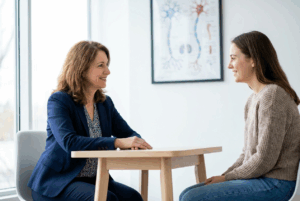
The first pillar is formal support which can include a nurse, a psychologist or an occupational therapist for example. This is about making sure you have the people and environments around you to thrive. Who do you have in your life who is helpful to living well, and who else might you need?
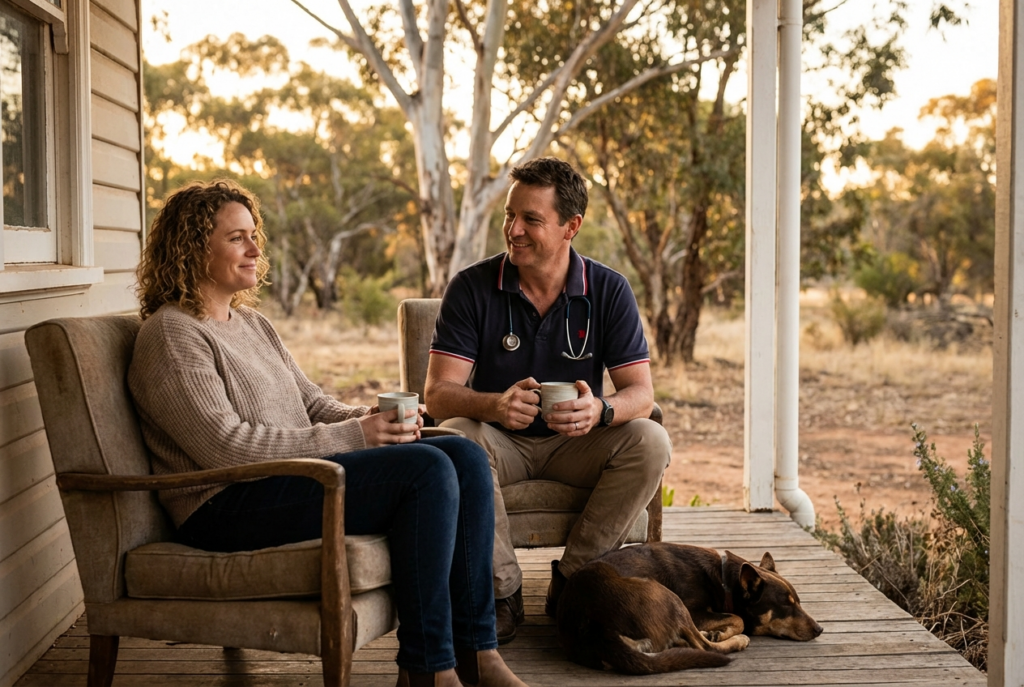
The second pillar is social connections, and can include pets, partners, friends, colleagues or neighbours for instance. Who do you feel connected to? Is there someone you can reach out to when things get hard?
The final pillar for thriving is engage better – which is about improving our skills that support our wellbeing. These skills include asking for help, communicating our needs and accepting our diagnosis or symptoms.
To engage better, it can be helpful to practice self-compassion and manage our internalised stigma. What does your mind tell you about your diagnosis? Is there something kinder you can add? A simple mantra such as ‘I’m good enough just as I am’ can be a starting point.
With access to connections, support and effective tools – many people thrive. Having MS or any neurological condition is not the end – it can be the start of greater self-care, acceptance and connection with community.
If you don’t know where to start – reach out to a trusted GP or a disability-friendly psychologist.

About the author: Liel (she/they) is a proud disabled Psychologist, writer and educator based in Naarm. She has been recognised as a Brenda Gabe Leadership Award Winner in 2025, an Honoree for Diversability 2024 D-30 Disability Impact List, an ABC TOP 5 Arts resident, and a 2023 Melbourne Awards Access and Inclusion finalist. Liel is the founder and director of Kultivate, a disability-led practice focused on advancing wellbeing, equity, inclusion, and disability justice. In her free time, she not-so-secretly loves to sing along to the Frozen soundtrack with her kids.