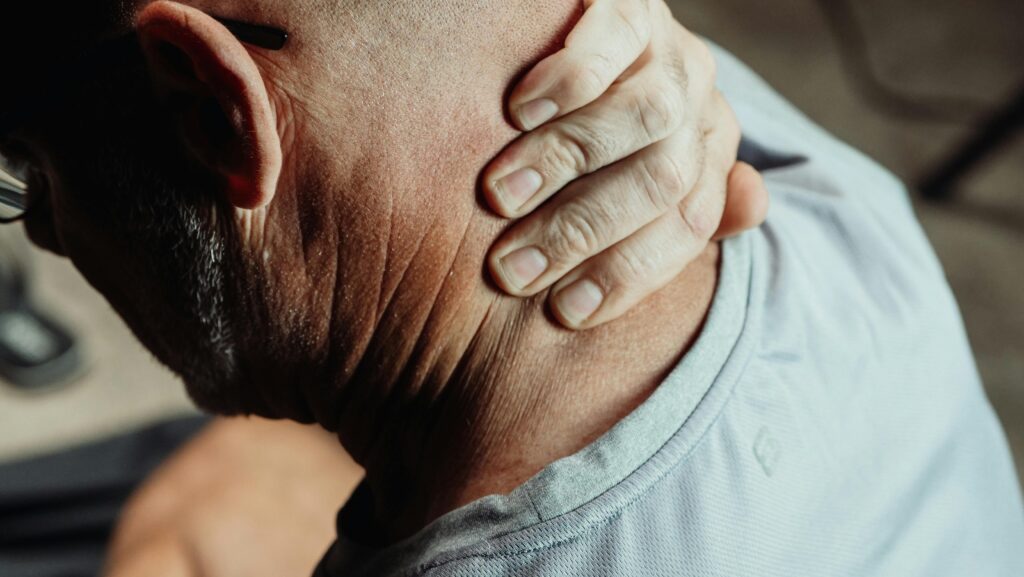
Pain is one of the most common and least talked about symptoms of MS. Around two in three people with MS experience pain at some point, yet many never raise it with their healthcare team. This article explains the different types of MS pain and what can help.
Pain is not something many people associate with MS at first. But for the majority of people living with the condition, it is a very real part of daily life.
Research suggests that around 63% of people with MS experience pain, yet it remains one of the most under-reported and undertreated MS symptoms. Some people stay quiet because they feel their pain won’t be taken seriously. Others assume it is just something they have to put up with. Neither is true.
Understanding the type of pain you are experiencing is the first step toward getting the right help, because different types of MS pain respond to very different treatments.
Key Takeaways
- Around two in three people with MS experience pain at some stage
- MS pain falls into two main categories: neuropathic (nerve) pain and musculoskeletal pain
- Different types of pain require different treatments; speaking to your healthcare team is essential
- There are both medical and non-medical approaches that can help
- Pain that interferes with daily life should always be reported to your neurologist or GP
Why Causes Pain in MS?
MS damages myelin, which is the protective coating around nerve fibres in the brain and spinal cord. When these nerves are damaged, they can misfire, sending pain signals to the brain even when there is no injury or tissue damage. This is called neuropathic pain, and it is directly caused by MS itself.
MS can also cause pain indirectly. When MS affects movement and posture, muscles and joints can become strained or overloaded. This leads to a different kind of pain: musculoskeletal pain which comes from the body compensating for the neurological effects of the disease.
Understanding which type of pain you have helps your healthcare team choose the most effective treatment.
Types of MS Pain
Neuropathic pain is caused by nerve damage and can feel like burning, stabbing, electric shocks, aching, or intense sensitivity to touch. Common examples include:
- Ongoing burning or aching in the legs or feet
- Trigeminal neuralgia; sudden, sharp facial pain that can be triggered by chewing, speaking, or light touch
- Lhermitte’s sign, a brief electric shock sensation down the spine when the neck is flexed
- The “MS hug”, a tight, squeezing sensation around the chest or torso, caused by spasms of small muscles between the ribs
Musculoskeletal pain arises from how MS affects your body’s movement and posture. Stiff or spastic muscles, altered gait, and reduced mobility can all place unusual strain on joints and muscles leading to back pain, hip pain, and general aching that can feel similar to arthritis.
What Helps: Medical Treatments
For neuropathic pain, your doctor or neurologist may recommend medications that work on nerve signals. These include certain anticonvulsants (such as gabapentin or pregabalin), antidepressants used specifically for nerve pain (such as amitriptyline or duloxetine), and in some cases other specialist medications. These are different from standard pain relievers such as paracetamol and anti-inflammatories, which often provide limited relief for neuropathic pain.
For musculoskeletal pain, physiotherapy is often the most effective approach. A physiotherapist can help identify postural problems, improve movement patterns, and provide targeted exercises that reduce strain on affected areas.
Your GP or neurologist can also review whether any of your current MS medications may be contributing to pain, and adjust your treatment plan accordingly.
What Helps: Non-Medical Approaches
A number of lifestyle and self-management strategies can also make a real difference:
Heat and cold: some people find warmth soothes musculoskeletal pain, while others find cool packs helpful for nerve pain. Be cautious with heat if you have heat sensitivity, as it can temporarily worsen other MS symptoms.
Gentle movement and exercise: staying as active as your body allows helps prevent the muscle stiffness and deconditioning that can worsen musculoskeletal pain. Hydrotherapy, yoga, and gentle stretching are often well tolerated.
Mindfulness and relaxation: research supports the use of mindfulness-based approaches for pain management in chronic conditions. These do not eliminate pain, but can change how the brain processes and responds to pain signals, making pain feel less overwhelming.
Pacing: pushing through pain often makes it worse. Learning to pace your activities, rest before you become exhausted, and avoid boom-and-bust cycles can help keep pain at a more manageable level.
When to Speak Up
If you have been managing pain silently, please tell your healthcare team. Pain that affects your sleep, your mood, your ability to move, or your quality of life deserves proper attention. There is no virtue in suffering in silence and the more your team understands about your pain, the better they can help.
If you develop new or significantly worsening pain, particularly in a new location, always contact your neurologist or GP to rule out a relapse or other cause.
Summary
Pain affects the majority of people with MS, yet remains one of the most under-reported symptoms. Understanding whether your pain is neuropathic or musculoskeletal points toward very different and often effective treatments. There are both medical and non-medical approaches that can help, and you do not have to manage pain alone. Speak to your GP or neurologist as getting the right treatment starts with that conversation.
FAQs
Is pain a normal part of MS? Yes. Around 63% of people with MS experience pain at some stage. It is one of the most common and most under-reported MS symptoms.
Why doesn’t paracetamol help my MS pain? Standard pain relievers often have limited effect on neuropathic (nerve) pain, which is caused by damaged nerve signals rather than tissue injury. Your GP or neurologist can recommend medications specifically designed for nerve pain.
What is the MS hug? The MS hug is a tight, squeezing sensation around the chest or torso caused by spasms of the small muscles between the ribs. It is caused by MS lesions and can feel alarming, but is not dangerous. Speak to your healthcare team if you experience it.
Can physiotherapy help with MS pain? Yes, particularly for musculoskeletal pain. A physiotherapist can help address movement patterns and posture that are contributing to pain, and develop an exercise plan suited to your needs.
Should I tell my neurologist about my pain? Always. Pain that affects your sleep, mood, or daily activities should be reported. Your neurologist can assess the type of pain, adjust your treatment plan, and refer you to specialists if needed.
References
- Solaro C, et al. (2023). Pain in patients with multiple sclerosis. Turkish Journal of Physical Medicine and Rehabilitation. https://pmc.ncbi.nlm.nih.gov/articles/PMC10186022/
- Truini A, et al. (2013). A mechanism-based classification of pain in multiple sclerosis. Journal of Neurology. https://doi.org/10.1007/s00415-012-6579-2
- Foley PL, et al. (2023). A systematic review and meta-analysis of neuropathic pain in MS. Multiple Sclerosis and Related Disorders. https://doi.org/10.1016/j.msard.2023.104529
- Murphy K, et al. (2017). Neuropathic pain in MS — current therapeutic intervention. Multiple Sclerosis: Perspectives in Treatment and Pathogenesis. https://www.ncbi.nlm.nih.gov/books/NBK470151/
- Warms CA, et al. (2022). Pain management in MS: evidence and approaches. Multiple Sclerosis and Related Disorders.
- Kalb R, et al. (2021). Comprehensive approach to management of MS: addressing invisible symptoms. Neurology and Therapy. https://doi.org/10.1007/s40120-021-00239-2